

The allure of nature is undeniable; its vast landscapes provide the perfect backdrop for both relaxation and physical activity. For fitness enthusiasts, outdoor workouts offer an invigorating way to connect with the environment while keeping fit. Here are ten essential outdoor fitness tips to help you make the most of your natural gym.
1. Set Clear Goals
Before stepping out into the wilderness, establish what you aim to achieve. Are you looking to build endurance, increase strength, or perhaps lose weight? Setting clear, measurable goals keeps you motivated and helps track your progress. For instance, aim to run a certain distance, achieve a specific number of push-ups, or hike a particular trail within a set time frame.
2. Find Your Playground
Whether you live near a park, beach, or forest, find the nearby outdoor spaces that inspire you. Variety is the spice of life, and changing your workout environment can keep boredom at bay. Explore hiking paths, trails, or even outdoor gyms. The screaming waves, rustling leaves, or chirping birds transform any fitness routine into an exhilarating adventure.
3. Incorporate Nature’s Equipment
The great outdoors comes with a plethora of natural equipment. Use park benches for step-ups, trees for pull-ups, and the ground for push-ups and sit-ups. Utilize the natural landscape to enhance your workouts—climb hills for added intensity or do stretches in grassy fields. Outdoor obstacles can be great for agility training as well; think logs to jump over or stones to weave around.
4. Mix Up Your Routine
Avoid monotony by incorporating various outdoor activities into your fitness regimen. Go for a run one day, followed by a full-body workout the next. Cycling, kayaking, rock climbing, or even dancing in the park can all provide excellent cardio workouts. Engaging in a variety of activities not only improves overall fitness but also helps you discover new passions.
5. Time Your Workouts Wisely
Natural environments can be beautiful but also harsh. Choose your workout times based on weather conditions for the best experience. Early mornings or late afternoons often offer cooler temperatures and fewer crowds. If you’re exercising during midday, ensure you’re protected from the sun with adequate sunscreen, clothing, and hydration.
6. Stay Hydrated
Nature can drain your energy faster than you realize, especially when exercising outdoors. Always carry a refillable water bottle and make it a habit to hydrate before, during, and after your workouts. If you’re planning a longer session, consider packing electrolyte drinks or snacks to maintain your energy levels. Remember that even mild dehydration can significantly impact your performance.
7. Dress for Success
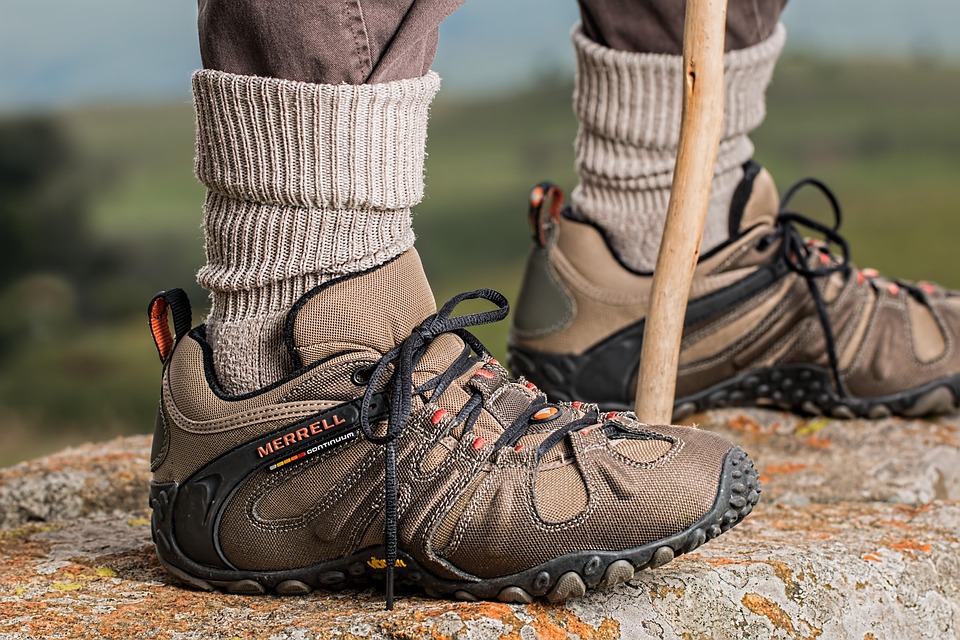
Wear appropriate clothing based on your activity and weather conditions. Breathable, moisture-wicking fabrics are ideal to keep you comfortable and dry. Layers are a good idea for fluctuating temperatures, while sturdy footwear is essential for outdoor activities like hiking or running. Don’t forget your sunglasses and a hat for sun protection. Investing in good gear can make all the difference in your outdoor workout experience.
8. Embrace Mindfulness in Nature
Fitness is not just physical but also a mental strain. Outdoor environments can be soothing and revitalizing, allowing for moments of mindfulness. Take a moment to breathe deeply, soak in the views, and appreciate the sounds of nature. Consider incorporating yoga or meditation into your routine, using natural settings to ground yourself and find balance.
9. Work with a Buddy
Training is often more fun and motivating when done with a friend or a group. Find a workout buddy or join a local outdoor fitness class. Not only does this enhance accountability, but it also fosters social connections. Shared experiences in nature can be incredibly rewarding and can help you push through challenging workouts.
10. Listen to Your Body
While it’s great to push yourself, be aware of your limits. Outdoor activities can strain your body in different ways than traditional gym workouts. Listen to how your body feels; if you experience pain or fatigue, avoid overexerting yourself. Taking rest days is crucial for recovery, so allow your body to recuperate when necessary.
FAQs
Q1: What are some good outdoor workout ideas for beginners?
A1: Beginners can start with walking, jogging, or cycling on flat trails. Bodyweight exercises like squats, lunges, push-ups, or yoga/stretching session in a park are also great options.
Q2: How do I stay safe while exercising outdoors?
A2: Always be aware of your surroundings. Avoid poorly lit or deserted areas, inform someone of your plans, and respect wildlife. Make use of local maps or trail apps for guidance.
Q3: Do I need special equipment for outdoor workouts?
A3: While basic outdoor workouts can be done with minimal equipment (like a yoga mat or dumbbells), certain activities may require specific gear (like a bicycle for cycling or climbing gear for rock climbing).
Q4: How can I maintain my routine during winter?
A4: Cold weather can be challenging, but activities like snowshoeing, winter hiking, or even brisk walks in bundled-up clothing can keep you active. Alternatively, embrace indoor workouts until the weather improves.
Q5: What are the best outdoor locations for workouts?
A5: Parks, beaches, riverside paths, and hiking trails are fantastic locations. Check for local outdoor gyms or community fitness programs that may utilize natural environments to encourage activity.
Nature’s gym is abundant with opportunities for fitness enthusiasts. By following these essential tips, you can create a fulfilling outdoor workout routine that nourishes both your body and spirit. Embrace your surroundings, challenge yourself, and let nature empower your fitness journey.