

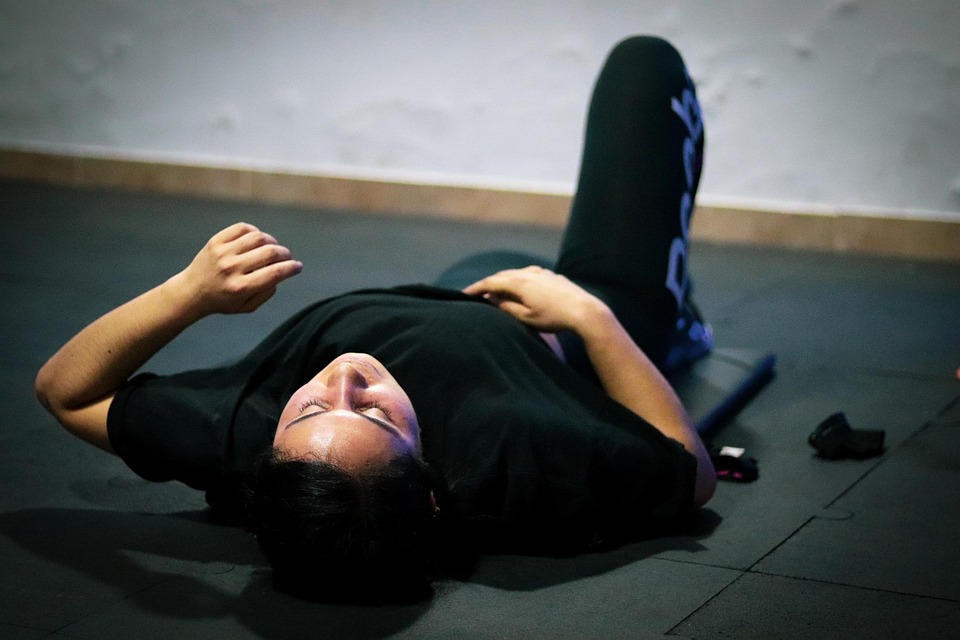
The core is often referred to as the powerhouse of the body, and for good reason. It plays a crucial role in stability, balance, and overall athletic performance. Whether you’re an athlete, fitness enthusiast, or just someone looking to enhance your daily life, understanding core workouts can significantly affect your strength and well-being. This comprehensive guide will explore everything you need to know about core workouts, including benefits, exercises, and tips for perfecting your routine.
Understanding the Core
The core is not just a single muscle group; it comprises several muscles that stabilize your spine and pelvis. Key muscles include:
- Rectus Abdominis: Often known as the "six-pack," it helps with trunk flexion.
- Obliques: Located on the sides of your abdomen, they assist with twisting motions.
- Transverse Abdominis: The deepest layer, critical for stabilizing the trunk.
- Erector Spinae: These muscles run along the spine and are essential for maintaining an upright position.
- Pelvic Floor: Supports pelvic organs and plays a role in core stability.
Understanding these muscles’ functions will help you tailor your workouts effectively.
Benefits of Core Workouts
Core workouts offer a plethora of benefits that extend beyond aesthetics:
-
Improved Posture: A strong core supports better alignment of the spine, which can alleviate back pain and improve overall posture.
-
Enhanced Athletic Performance: Many athletic movements come from the core. Strong core muscles allow for better balance, stability, and force generation.
-
Injury Prevention: A robust core provides stability during movement, reducing the risk of injuries, especially lower back injuries.
-
Better Functional Movement: Daily activities, from lifting groceries to playing with your kids, require a stable core for efficiency and safety.
- Increased Balance and Stability: A strong core leads to better balance and control, making everyday movements safer and more effective.
Core Workout Exercises
Incorporating a variety of core exercises into your routine can yield the best results. Here are some effective core workouts you can try:
1. Plank
How to Perform:
- Start in a push-up position but rest on your forearms instead of your hands.
- Keep your body in a straight line from head to heels.
- Hold the position for as long as you can, aiming for 30–60 seconds.
Benefits: Engages multiple core muscles, increases endurance, and improves stability.
2. Russian Twists
How to Perform:
- Sit with your knees bent and feet flat on the floor.
- Lean back slightly and lift your feet off the ground.
- Hold a weight (or no weight) and twist your torso to one side, then the other.
Benefits: Focuses on the obliques and improves rotational strength.
3. Dead Bug
How to Perform:
- Lie on your back with arms straight up toward the ceiling and legs bent at 90 degrees.
- Slowly lower opposite arm and leg to the ground while keeping your back pressed into the floor.
- Return to the starting position and alternate sides.
Benefits: Excellent for engaging the transverse abdominis and improving coordination.
4. Mountain Climbers
How to Perform:
- Start in a plank position.
- Bring one knee toward your chest and then switch, alternating quickly.
Benefits: A dynamic exercise that challenges endurance while engaging the entire core.
5. Bicycle Crunches
How to Perform:
- Lie on your back with hands behind your head and knees lifted.
- Bring one elbow to the opposite knee while extending the other leg, then switch sides.
Benefits: Strengthens the rectus abdominis and obliques while engaging your leg muscles.
Tips for an Effective Core Workout
To maximize your core workouts, consider the following tips:
-
Focus on Quality, Not Quantity: Engage your core fully while performing exercises, even if it means doing fewer reps.
-
Mix It Up: Incorporate a variety of exercises to engage different muscle groups and keep your routine exciting.
-
Incorporate Stability Tools: Use tools like stability balls, resistance bands, and balance boards to increase the difficulty of traditional exercises.
-
Pay Attention to Form: Always ensure proper form to avoid injury and to effectively target core muscles.
- Include Core Work in Your Overall Routine: Aim for at least 2–3 core workouts per week, integrating them with your full-body workouts for overall fitness.
Sample Core Workout Routine
Here’s a straightforward core workout to get you started:
- Plank: 3 sets of 30–60 seconds
- Russian Twists: 3 sets of 15-20 reps per side
- Dead Bug: 3 sets of 10-15 reps per side
- Mountain Climbers: 3 sets of 30 seconds
- Bicycle Crunches: 3 sets of 15-20 reps per side
Final Thoughts
Unlocking the strength of your core can profoundly affect your overall health, athleticism, and daily life. By incorporating a mix of core exercises into your routine, you’ll build a strong, stable foundation that will enhance your performance and safeguard against injuries.
For more information and a comprehensive guide to fitness, check out Healthline and Verywell Fit.
FAQ
1. How often should I do core workouts?
Aim for 2–3 core workouts per week, allowing for rest days in between to let the muscles recover.
2. Can I get a six-pack by only doing core workouts?
While targeted exercises can strengthen abdominal muscles, achieving a six-pack also requires a balanced diet and overall body fat reduction through cardio and resistance training.
3. Are there any risks associated with core workouts?
If performed incorrectly, core exercises can lead to injuries, particularly in the lower back. Focus on maintaining proper form and consult a fitness professional if unsure.
4. At what age can I start doing core workouts?
Core workouts are suitable for all ages. However, it’s essential to adjust the intensity and type of exercises based on individual fitness levels and any existing health conditions.
5. What are the best core exercises for beginners?
Beginner-friendly exercises include planks, dead bugs, and bird-dogs. Always start slow and focus on mastering the form before progressing to more advanced workouts.