

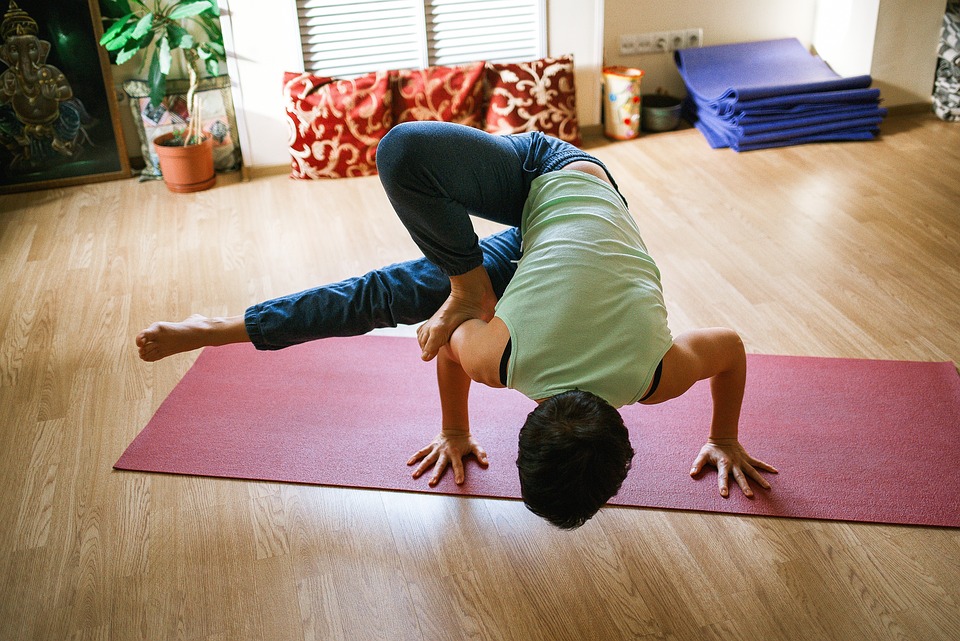
Yoga, an ancient practice rooted in Indian philosophy, has gained immense popularity worldwide. Known for its physical, mental, and spiritual benefits, yoga is an accessible practice that enhances flexibility, strength, and mindfulness. If you’re considering embarking on your yoga journey, this comprehensive guide will provide you with essential insights and tips to get started.
What is Yoga?
Yoga is more than just a workout; it’s a holistic discipline that combines physical postures (asanas), breath control (pranayama), meditation, and ethical living. While many people first engage in yoga for its physical benefits, the practice also encourages emotional balance and mental clarity.
Types of Yoga
Understanding the different styles of yoga can help beginners choose the one that resonates most with their needs:
-
Hatha Yoga: A gentle introduction to the most basic yoga postures. Great for beginners looking to learn the fundamentals.
-
Vinyasa Yoga: A dynamic practice that involves flowing from one posture to another in sync with your breath. It’s a more energetic style that’s great for those seeking a workout.
-
Ashtanga Yoga: A rigorous style that follows a specific sequence of postures and is best suited for those familiar with yoga.
-
Bikram Yoga: Practiced in a heated room, this style consists of a fixed series of 26 postures designed to promote detoxification and flexibility.
-
Yin Yoga: A slow-paced style involving long-held postures, Yin deepens flexibility and encourages mindfulness.
- Restorative Yoga: This gentle practice uses props to support the body, focusing on deep relaxation and stress relief.
For more information on various yoga styles, check out Yoga Journal’s comprehensive guide.
Benefits of Yoga
Physical Benefits
- Increased Flexibility: Regular practice can help improve flexibility over time, aiding in overall mobility.
- Strengthened Muscles: Many yoga poses require you to support your own body weight in different ways, helping to build core strength.
- Improved Posture: Yoga encourages awareness of body alignment, leading to better posture in daily life.
- Enhanced Balance: Certain poses challenge balance, building strength in stabilizing muscles.
Mental Benefits
- Stress Reduction: The combination of breath control and meditation helps to calm the mind and reduce stress.
- Enhanced Focus: Practicing mindfulness leads to improved concentration and focus.
- Emotional Stability: Regular yoga practice can foster emotional resilience and stability.
Getting Started
1. Find a Yoga Class
Consider joining a local class or searching for reputable online yoga sessions that cater to beginners. When looking for classes, focus on the following:
- Instructor Qualifications: Ensure your instructor is certified and has experience with beginners.
- Class Size: Smaller classes may provide more personalized attention.
- Atmosphere: Find a studio that feels welcoming and calming to you.
2. Invest in Basic Equipment
Before stepping onto your mat, it’s helpful to gather a few essential items:
- Yoga Mat: A good quality mat prevents slipping and provides comfort.
- Comfortable Clothing: Wear breathable, flexible clothing that allows for easy movement.
- Props: Blocks, straps, and bolsters can be beneficial, especially for beginners.
3. Understand the Basics
Familiarize yourself with common yoga terms and poses. Here are a few basics to get started:
- Mountain Pose (Tadasana): A foundational standing pose that promotes alignment and awareness.
- Downward-Facing Dog (Adho Mukha Svanasana): A pose that stretches and strengthens the entire body.
- Child’s Pose (Balasana): A restful pose used for relaxation and recovery.
4. Practice Mindfulness
Yoga is as much about the mind as it is about the body. Incorporate mindfulness into your practice by focusing on your breath. Follow these tips:
- Breath Awareness: Focus on your inhalations and exhalations. Use deep, steady breathing throughout your poses.
- Meditation: Consider adding a meditation practice to your routine, even if it’s just a few minutes a day.
5. Create a Routine
Establish a consistent yoga routine. Whether you commit to daily practice or a few times a week, consistency is key to reaping the benefits of yoga. Start with shorter sessions, gradually progressing in duration as you become more comfortable.
Tips for Beginners
- Listen to Your Body: Yoga is not about competition; it’s about self-awareness. Pay attention to your body’s signals and adjust your poses accordingly.
- Stay Hydrated: Drink water before and after your yoga session, especially if you’re practicing styles like Bikram which are conducted in heated environments.
- Be Patient: Progress takes time. Embrace the journey and enjoy the learning process.
Yoga and Mindfulness
Yoga and mindfulness often complement each other. Mindfulness involves being present in the moment, and yoga provides a physical space to practice mindfulness. Many practitioners find that incorporating mindfulness into their yoga practice enhances their overall experience, leading to deeper connections with themselves.
For more resources on mindfulness, visit Mindful.org.
Yoga Communities
Joining a yoga community can provide support, motivation, and camaraderie. Participate in local classes, workshops, or online forums. Engaging with fellow practitioners can deepen your practice and enhance your knowledge.
Conclusion
Embarking on a yoga journey can be one of the most rewarding experiences of your life. Whether you seek physical strength, mental clarity, or emotional balance, yoga offers a holistic approach to well-being. Remember, every yogi started as a beginner, so be patient and enjoy every moment on your mat.
FAQ Section
1. Do I need to be flexible to start yoga?
No! Many beginners are not flexible, and that’s perfectly fine. Yoga is about improving flexibility over time. Just focus on your own practice and progress at your own pace.
2. How often should I practice yoga as a beginner?
Aim for 2-3 sessions per week to start. As you become more comfortable, you can gradually increase the frequency to daily practice.
3. Can I practice yoga at home?
Absolutely! There are many online resources and videos available for practicing yoga at home. Just ensure you follow structured practices that are designed for beginners.
4. What should I eat before yoga?
It’s advisable to eat a light meal or snack at least an hour before yoga. Foods like a banana, yogurt, or a smoothie can provide energy without weighing you down.
5. Is yoga suitable for everyone?
Yes! Yoga is highly adaptable and can be modified for various levels of fitness and conditions. Consult your doctor if you have specific health concerns before starting.
By engaging in yoga, you’ll not only enhance your physical capabilities but also advance towards a greater sense of mental well-being. Whether you’re drawn to it for fitness, mindfulness, or community, yoga can be a transformative experience. Start today!